
Employer branding helps SMEs in the UK stand out as desirable workplaces, especially for attracting apprentices in digital fields like Data Analytics, Digital Marketing, IT Infrastructure, and Content Creation. While SMEs may lack the resources of larger corporations, they can focus on their strengths – such as close-knit teams, personal growth opportunities, and clear career pathways – to appeal to apprentices.
Key Takeaways for SMEs:
- What Apprentices Want: Career progression, structured training, flexible working, and a supportive environment.
- Employer Branding Essentials: Define your mission and values, share employee success stories, and maintain a strong online presence (e.g., LinkedIn, Glassdoor).
- Affordable Solutions: Partner with providers like NowSkills for government-funded apprenticeship programmes, reducing costs and improving training quality.
- Measure Success: Track retention rates, online reviews, and employee feedback to refine your approach.
Create a Killer EMPLOYER BRAND Strategy for Your Small Business
What Apprentices Want from Employers
A strong and genuine employer brand can make SMEs stand out as appealing options for apprentices. For apprentices, the priorities are clear: career growth, meaningful development opportunities, and a workplace culture that genuinely supports their ambitions.
Main Motivations for Apprentices
One of the top priorities for apprentices is career progression. They are looking for well-defined pathways that show how they can advance over time, providing a sense of direction and long-term opportunity.
Structured development opportunities are equally important. Apprentices are drawn to employers who actively invest in their growth through training programmes, mentorship schemes, and access to recognised qualifications. Partnering with accredited training providers can further strengthen this commitment, ensuring that apprentices receive training that is both practical and respected.
"Our program has helped hundreds of apprentices, many of whom have advanced to senior leadership positions in the digital sector." – NowSkills
Flexible working arrangements are another key factor for modern apprentices. Over 60% of Gen Z and millennial apprentices in the UK highlight flexibility as a top priority. This could mean offering hybrid working options, varied start times, or simply allowing apprentices more control over their schedules. These practical benefits, combined with a sense of purpose, can significantly enhance an employer’s appeal.
Speaking of purpose, many apprentices are motivated by a desire to make a meaningful impact. They’re drawn to organisations where their work contributes to a larger mission. Employers who clearly communicate their values and show how apprentices can play a role in achieving them are more likely to attract candidates who are looking for more than just a paycheque.
The quality of training and learning opportunities can also be a dealbreaker. Apprentices are especially attracted to programmes that blend hands-on experience with training in key digital fields. Government-funded training initiatives, for instance, show a company’s dedication to developing its workforce.
"I got the apprenticeship I desired. Good communication, very detailed information about the course contents, guidance given every step of the way. Quality." – Syed
Workplace Culture and Diversity
Beyond career opportunities and flexibility, the workplace environment itself plays a big role in an apprentice’s decision-making. Over 70% of young job seekers rate company culture as just as important as salary.
Apprentices value authenticity and openness in the workplace. They want to be part of environments where communication is encouraged, ideas are welcomed, and asking questions is a normal part of the learning process. SMEs often excel in this area, offering closer-knit teams and direct access to senior leadership.
Recognition matters, too. Apprentices want their contributions to be noticed and appreciated. Whether it’s through formal recognition programmes, regular feedback, or simply a culture that celebrates achievements, feeling valued can make all the difference.
Diversity and inclusion are becoming increasingly important to apprentices. They want to see employers who embrace different backgrounds and perspectives, with clear commitments to creating a fair and inclusive workplace. A diverse environment not only signals fairness but also enhances an employer’s reputation, making it more attractive to a wider range of talent.
Having access to mentorship and guidance is another key factor for apprentices. Working alongside experienced professionals who can offer advice and support helps them navigate challenges and accelerates their development.
Creating a sense of psychological safety is equally crucial. Apprentices need to feel secure enough to take risks, ask questions, and make mistakes without fear. This kind of environment fosters learning and growth, turning errors into valuable lessons.
"More than a training provider, NowSkills is a values-led community – bringing together learners, mentors, and employers in a safe, inclusive environment. We embed British Values, promote wellbeing, and support development beyond the curriculum, helping apprentices make a lasting contribution to their workplaces and communities." – NowSkills
Wellbeing support has also become a key differentiator for employers. Apprentices are drawn to organisations that prioritise mental health and work-life balance. This could include regular check-ins, flexible arrangements during exam periods, or creating spaces that encourage social interaction among employees.
Finally, digital engagement plays a big role in shaping perceptions. Apprentices often research potential employers online through platforms like LinkedIn and Glassdoor. A strong online presence, complete with employee testimonials and examples of workplace culture, can help reinforce an employer’s brand.
These insights provide SMEs with a roadmap to refine their recruitment strategies and position themselves as top choices for apprentices.
How to Build Your Employer Brand
You don’t need a huge budget to create a strong employer brand. For small and medium-sized enterprises (SMEs), the secret lies in showcasing what makes your company special – like close-knit teams, quick decision-making, and a welcoming environment that apprentices appreciate.
Define Your Mission, Values, and Employee Value Proposition
At the heart of your employer brand is your Employee Value Proposition (EVP). This is what makes your workplace rewarding and unique. To shape your EVP, start by asking your employees. Use surveys or workshops to uncover what they love about working with you – what motivates them, and what they’d say to a friend about the company. These insights help you craft a mission and values that resonate with your team and attract apprentices.
Your EVP should highlight the perks you offer. Maybe it’s hands-on training, a supportive environment where questions are encouraged, or clear career progression paths. Once you’ve nailed down these elements, make sure they shine through in your job descriptions, policies, and recruitment materials. Use them to tell genuine employee stories and encourage referrals.
Use Employee Stories and Referrals
Real stories from your employees or apprentices can cut through generic messaging. These testimonials should highlight their experiences – the challenges they faced, the growth they achieved, and the support they received. Share these stories on your website, social media, and at recruitment events to build trust with potential apprentices.
Take, for example, Harvey Carmichael’s story shared by NowSkills in October 2025. He explained how Tony Scargill and Peter Knowles helped him secure an apprenticeship in just three weeks. Real-life feedback like this builds credibility by showing tangible results and recognising the people who make it happen.
You can also introduce a simple referral programme where employees recommend candidates. Offer small bonuses, recognition, or other perks to incentivise participation. Encourage your team to share their experiences on personal social media accounts, amplifying your brand with authentic, relatable content.
Improve Your Recruitment Process
Your recruitment process is often an apprentice’s first direct interaction with your company, so it’s crucial to make it a positive experience. A smooth process with clear communication, simple application forms, and timely updates can leave a lasting impression.
Your job descriptions should go beyond listing duties. Show what the role offers in terms of team dynamics and career growth. During interviews, create a welcoming atmosphere by holding conversations rather than formal interrogations. A well-thought-out onboarding process – introducing new hires to key team members and explaining company processes – can make apprentices feel valued right from the start. Companies that focus on creating a seamless recruitment experience often see hiring costs drop by up to 50%. Even candidates who don’t get the job can spread positive word-of-mouth if they’ve had a good experience.
Use Social Media and Digital Platforms
Platforms like LinkedIn and Instagram are cost-effective tools to showcase your workplace culture and connect with UK apprentices. Share authentic content that gives potential candidates a real glimpse into your company. This could include behind-the-scenes photos, day-in-the-life videos, employee spotlights, or success stories.
For instance, NowSkills uses initiatives like their "NowSkills Insights" webinars, where industry experts discuss digital trends and career advice. This not only provides valuable insights to potential apprentices but also positions the organisation as knowledgeable and forward-thinking.
Engage on platforms like Glassdoor by responding to reviews and sharing updates. For example, in October 2025, Mariam Noor praised her advisor Katie Ballegher for boosting her confidence and preparing her for an interview. Stories like this highlight the genuine care your organisation provides.
Having a strong digital presence can make a noticeable impact. Research shows SMEs with a well-established employer brand on LinkedIn can cut recruitment costs by up to 50%.
sbb-itb-3297dc6
Partner with Training Providers
Teaming up with accredited training providers can elevate your employer brand by allowing experts to handle programme delivery, while you focus on running your business.
Benefits of Working with NowSkills
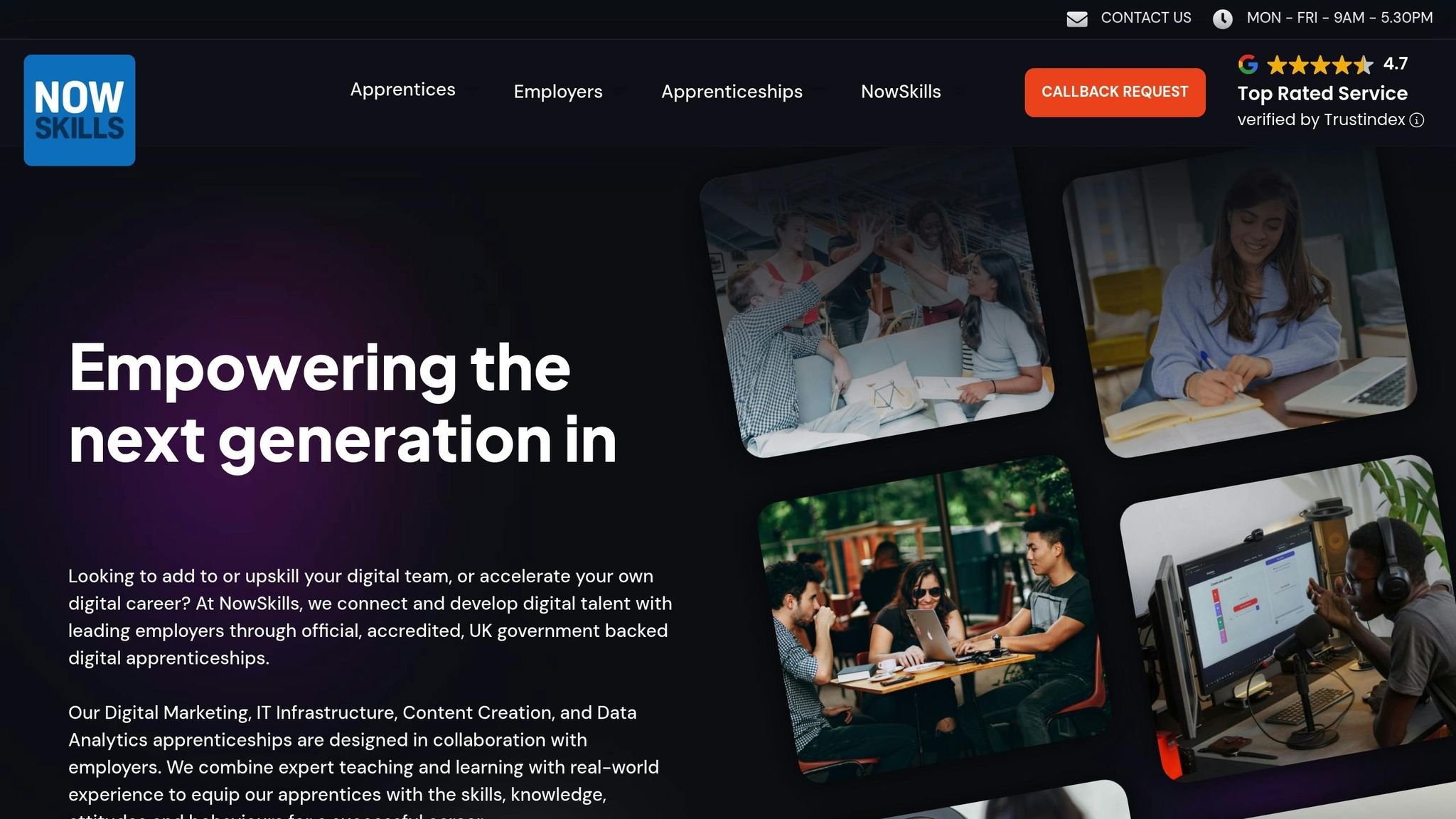
NowSkills takes the hassle out of managing apprenticeships. They handle recruitment, compliance, and programme delivery, giving you time to focus on your goals. Since 2013, they’ve been delivering IT apprenticeships and digital skills training, building a solid reputation for knowing what works. Their 4.7 rating on Trustindex highlights the exceptional support they provide to both employers and apprentices.
One of the best parts? Government funding covers training costs. This makes apprenticeships an affordable option, even for businesses working with tighter budgets. Whether you’re looking to bring in fresh talent or upskill your current team in areas like Digital Marketing, IT Infrastructure, Content Creation, or Data Analytics, there are no recruitment fees involved.
What sets NowSkills apart is their tailored approach. They work closely with employers to design programmes that align with regional skill demands and your specific business needs. Their Quality Assurance team and Board of Governors ensure every programme is delivered to the highest standards, reinforcing your company’s dedication to professional growth.
Employers have praised their service, with one review noting the "good communication, very detailed information about the course contents, guidance given every step of the way". These positive testimonials become a key part of your employer brand, showcasing the value you bring to your team.
Combine Training with Your Brand
NowSkills doesn’t just teach technical skills – they help apprentices grow into confident, well-rounded professionals. By integrating their training with your workplace culture, you’re showing your commitment to developing employees who contribute meaningfully to your business.
NowSkills operates with a focus on values like integrity, personal growth, and wellbeing, alongside promoting British Values and innovation. When potential apprentices see you’ve partnered with a provider that shares these principles, it enhances your credibility and strengthens your brand’s reputation.
This partnership gives your business an edge. It’s not just about offering a job – it’s about creating a pathway to a rewarding digital career. Apprentices gain recognised qualifications and practical skills, making your company a destination for motivated individuals who value both experience and education.
Additionally, working with NowSkills highlights your forward-thinking approach. By investing in training for emerging fields like AI and data analytics, you’re showing that your business is staying ahead of industry trends. From recruitment to qualification, NowSkills ensures a seamless process, turning apprentices into advocates who extend your brand’s reach and reputation.
Measure and Improve Your Employer Brand
Maintaining a strong employer brand isn’t a one-and-done task – it requires ongoing assessment and adjustment. By regularly evaluating your efforts, you can attract more qualified candidates, reduce hiring costs, and ensure your brand stays aligned with the needs of apprentices.
Key Metrics to Track
To truly understand how your employer brand is performing, focus on tracking a few core metrics. Start with apprentice retention rates. High retention suggests that what you’re promising matches the actual experience of working with you. Another key metric is the interview-to-hire ratio, which can show whether you’re attracting the right candidates.
Surveying employee engagement is another effective way to gauge sentiment within your team. Engaged employees are often your best advocates, naturally spreading positive messages about your organisation. Additionally, monitoring application volume and identifying where applicants are coming from can help you refine your recruitment strategies by highlighting which channels are most effective.
Don’t overlook your online presence. Platforms like Glassdoor and Indeed offer valuable insights into how your organisation is perceived. Consistently high ratings on these platforms can influence potential apprentices’ decisions. Keeping an eye on these reviews over time allows you to spot trends and address concerns before they escalate. Similarly, tools like Trustindex can bolster your credibility by showcasing positive feedback.
Gather Feedback and Compare Performance
Feedback is essential for refining your employer brand. Use anonymous surveys and exit interviews to collect honest opinions about workplace experiences. Focus groups with apprentices can help pinpoint specific issues, such as challenges during onboarding or gaps in training. Digital suggestion boxes are another way to encourage continuous input from your team.
Regularly monitoring online reviews can also provide valuable insights. Look for recurring themes – if multiple reviews mention limited career growth opportunities, it might signal an area that needs improvement. Platforms like LinkedIn Talent Insights offer benchmarking tools, allowing you to compare your performance with other businesses in your industry or region.
Industry-specific surveys and local apprenticeship networks can serve as additional benchmarks, helping you understand whether certain challenges are unique to your organisation or part of broader sector-wide trends. This kind of comparison ensures your employer brand remains competitive, even as the market evolves.
Make Ongoing Improvements
Once you’ve gathered feedback, it’s time to act on it. For example, if retention data reveals that apprentices tend to leave after six months, take a closer look at your onboarding process or the support provided during the early stages of employment. Similarly, if engagement surveys highlight communication breakdowns, consider introducing regular check-ins or improving internal communication tools.
Practical adjustments, like updating job descriptions, streamlining onboarding processes, or offering more flexibility, can address specific concerns. Be sure to align these changes with your established employee value proposition (EVP) and the stories you share about your team’s experiences to maintain a consistent and authentic brand.
When it comes to online reviews, respond promptly – especially to negative feedback. Acknowledging concerns and outlining the steps you’re taking to address them shows potential apprentices that you’re committed to improvement. Highlighting positive reviews that praise communication or detailed training programmes can reinforce your brand’s strengths. Share these success stories on your website and social media to amplify the good work you’re doing.
Finally, keep your EVP up to date. As apprentice expectations and labour market trends shift, make sure your offerings and messaging evolve too. Whether it’s adapting your training programmes or refreshing how you communicate, staying proactive ensures your employer brand remains relevant and appealing.
Key Takeaways for SMEs
Creating a strong employer brand isn’t just for big corporations – it’s just as important for SMEs aiming to attract and keep talented apprentices. The stats speak for themselves: 72% of job seekers consider a company’s employer brand when weighing up job offers, and 69% wouldn’t take a job at a company with a bad reputation, even if they were unemployed.
For SMEs, your authenticity and agility are powerful assets. Apprentices often appreciate the close-knit relationships, welcoming atmosphere, and quick responsiveness that smaller businesses naturally offer. These qualities can help you craft an employee value proposition that’s genuine and highlights your organisation’s unique culture and mission.
A strong digital presence is non-negotiable. Apprentices frequently research companies on platforms like Glassdoor and LinkedIn, so managing your online reputation is crucial. Keep your careers page fresh with real employee stories, stay active on social media, and respond to reviews – whether they’re glowing or critical. This level of engagement shows potential apprentices that you care about your team and your reputation.
Collaborating with training providers can also give SMEs an edge. Partnering with organisations like NowSkills can boost your credibility while giving you access to government-funded apprenticeship programmes in areas like Digital Marketing, IT Infrastructure, Content Creation, and Data Analytics. These partnerships demonstrate your commitment to offering structured training and meaningful development, making your business more appealing to apprentices who want hands-on experience alongside expert guidance.
Tracking progress and improving continuously is just as important. Keep an eye on apprentice retention, engagement levels, and feedback from surveys or exit interviews to identify areas for growth. Companies with well-established employer brands attract up to 50% more qualified candidates and can slash hiring costs by as much as 50%. These results underline the importance of refining your approach over time.
As discussed earlier, employer branding is no longer just about offering a job – it’s about creating genuine employee experiences. Highlight opportunities for career growth, training, and a supportive work environment – these are exactly the things today’s apprentices are looking for. By investing in your employer brand, you’ll not only attract better candidates but also boost retention and build a stronger reputation within your industry.
FAQs
How can SMEs define and showcase their Employee Value Proposition (EVP) to attract apprentices?
SMEs can create a strong Employee Value Proposition (EVP) by showcasing what sets them apart as an employer. Focus on your dedication to skill development, providing hands-on experience, and supporting career growth. Highlight opportunities such as earning while learning, participating in exciting projects, and receiving access to top-notch training programmes.
To make your EVP more compelling, share real-life success stories from current or former apprentices. These stories can illustrate the benefits of your apprenticeship programme and build trust with potential candidates. Consistently communicate your organisation’s values and the advantages of joining your team to attract driven apprentices who share your vision.
How can SMEs use social media and digital platforms to strengthen their employer brand and attract apprentices?
SMEs can tap into the power of social media and digital platforms by sharing real stories that spotlight the achievements and career journeys of their apprentices. Showcasing your workplace culture through engaging content – like videos, photos, or even behind-the-scenes glimpses – can make your business feel more approachable and attractive to potential apprentices.
Take it a step further by connecting directly with your audience. Host live Q&A sessions to answer their questions or share timely updates about apprenticeship opportunities. Platforms such as LinkedIn, Instagram, and Facebook work particularly well for showing off your brand’s personality and values. If you want to reach a specific group of motivated candidates, targeted ads can be a smart move.
You can also build your credibility by teaming up with industry partners for webinars or by sharing valuable industry insights. Posting consistently is essential – regular, meaningful updates will keep your audience interested and solidify your image as a supportive and forward-thinking employer.
What are the best ways for SMEs to evaluate the success of their employer branding efforts, and which metrics should they prioritise?
SMEs can gauge the effectiveness of their employer branding by focusing on measurable results that align with both employee and business objectives. Some key indicators to monitor include apprenticeship pass rates, achievement levels (like merit or distinction rates), and employer satisfaction scores. These metrics offer a clear snapshot of how well your branding resonates with and supports talent.
For instance, consistently strong pass rates and positive feedback from apprentices and employers alike signal an attractive and effective employer brand. By tracking these metrics over time, SMEs can uncover patterns and make smarter decisions to refine their branding approach.


